December: A season for cultivating joy through simplicity and gratitude…

Photo by Skyler Ewing on Pexels.com

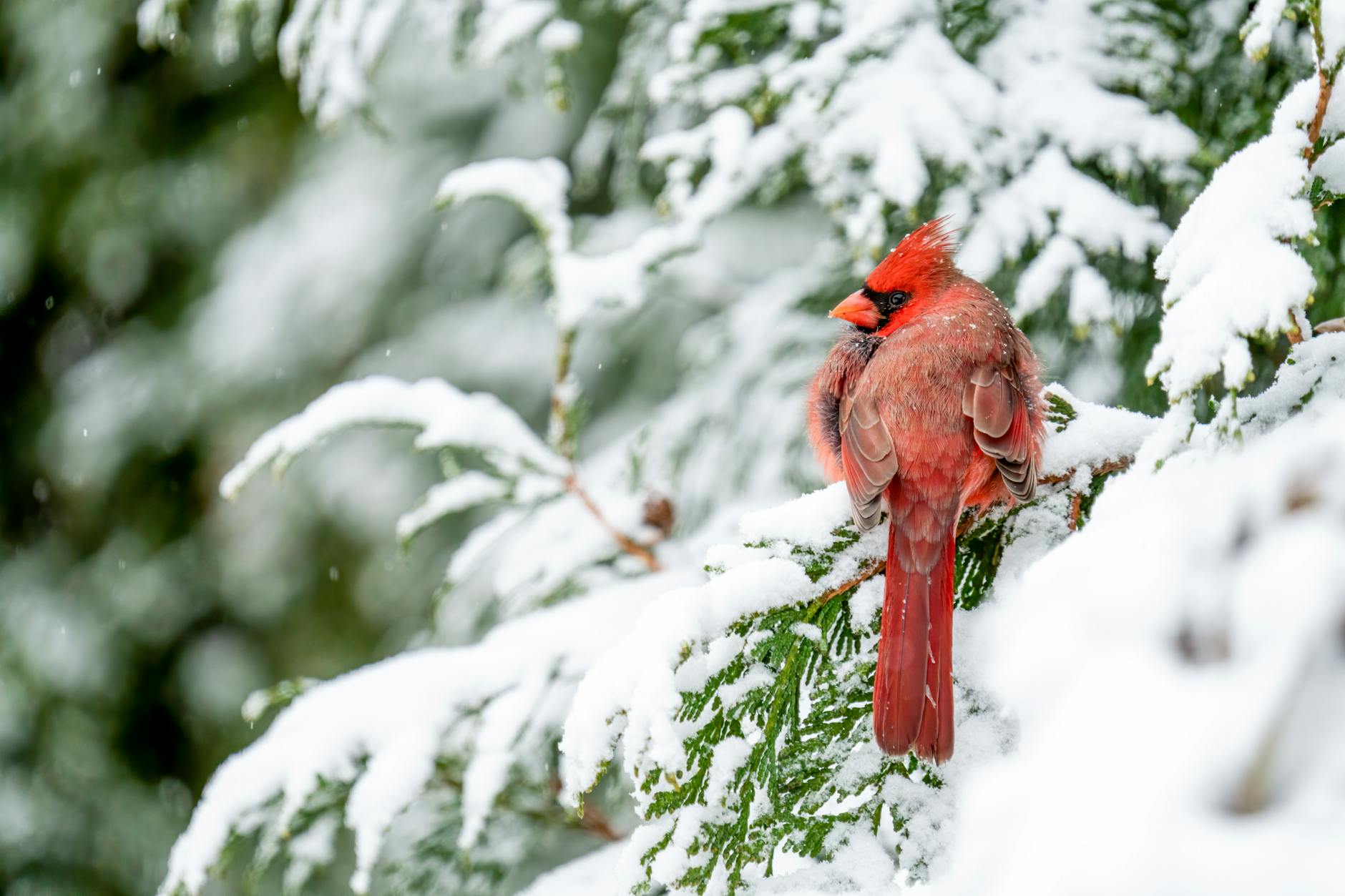
December has come to be one of my favorite months…Perhaps it is the anticipation of snow, the excitement of the holiday season and the colors of red and white…Or the joy of thinking of loved ones and what they would like for presents, the twinkling lights on the streets or the Christmas music…I love the holiday movies (that always end well!), baking treats, making chocolate bark with my daughter or stringing beads together to create unique pieces and lighting up our Christmas tree.

I’m well aware that this is a highly commercialized season, where we are constantly bombarded to go out and get more, to buy our way into happiness and stoke the craving for more. But it doesn’t have to be.

December is also the month of solstice, of quieting down, finding warmth and solace in the loving qualities of the heart like generosity, gratitude and appreciation, and of celebrating being together and sharing laughter and memories. Of being intentional of what we do and say, of being mindful of our resources and how we spend them. We can start small, and take that first step towards reigning back the momentum of habit, by inviting mindfulness and appreciating the simple beauty of this season. We can create boundaries with our time, finances and energy that protect us from over-exertion and help us cultivate nourishment and peace.

So, the next time that you are outside, slow down and notice the coolness of the air, the movement of the trees, the sound of the birds, the spectacular colors of the sunrises and the sunsets, and the twinkling of the stars in the cold still nights. When running errands, take in the sounds, smells, tastes and sights. When in grocery lines or traffic, practice sending metta towards others: wishing that they too have joy and peace in their holiday season. When frustrated, remember patience and kindness. When overwhelmed, remember the support of the ground and the breath. When entangled in clinging, remember to pause and relax.

I write this as much as a reminder to me as to you. For we need the support of each other to awaken together and live with greater compassion, wisdom and kindness. I leave you today with this winter blessing from Brother David Steindl-Rast:

May You Grow Still Enough

May you grow still enough to hear the small noises earth makes in preparing for the long sleep of winter, so that you yourself may grow calm and grounded deep within.

May you grow still enough to hear the trickling of water seeping into the ground, so that your soul may be softened and healed, and guided in its flow. May you grow still enough to hear the splintering of starlight in the winter sky and the roar at earth’s fiery core.

May you grow still enough to hear the stir of a single snowflake in the air, so that your inner silence may turn into hushed expectation.

 —  Brother David Steindl-Rast

Photo by Martin Mariani on Pexels.com

Wishing you love, peace, laughter and joy, Shuba

An equanimous mind is a spacious mind…

Equanimity was the last session in the four week series on the brahmaviharas I led recently. All week, I held equanimity in the back of my mind, trying to settle into the flavor and balance of equanimity. Sometimes, equanimity appeared to have a calm abiding quality to it – like the peacefulness of going with the flow, knowing you are safe and going to be OK. One of the days of the week, the roof of our classroom started to leak. The students took it in their stride. The custodians appeared in minutes to fix the leak at least temporarily. I was struck by the presence of equanimity. Roof, Leak, No Problem! My students seemed so positive, it felt like they knew that we would get through it together.

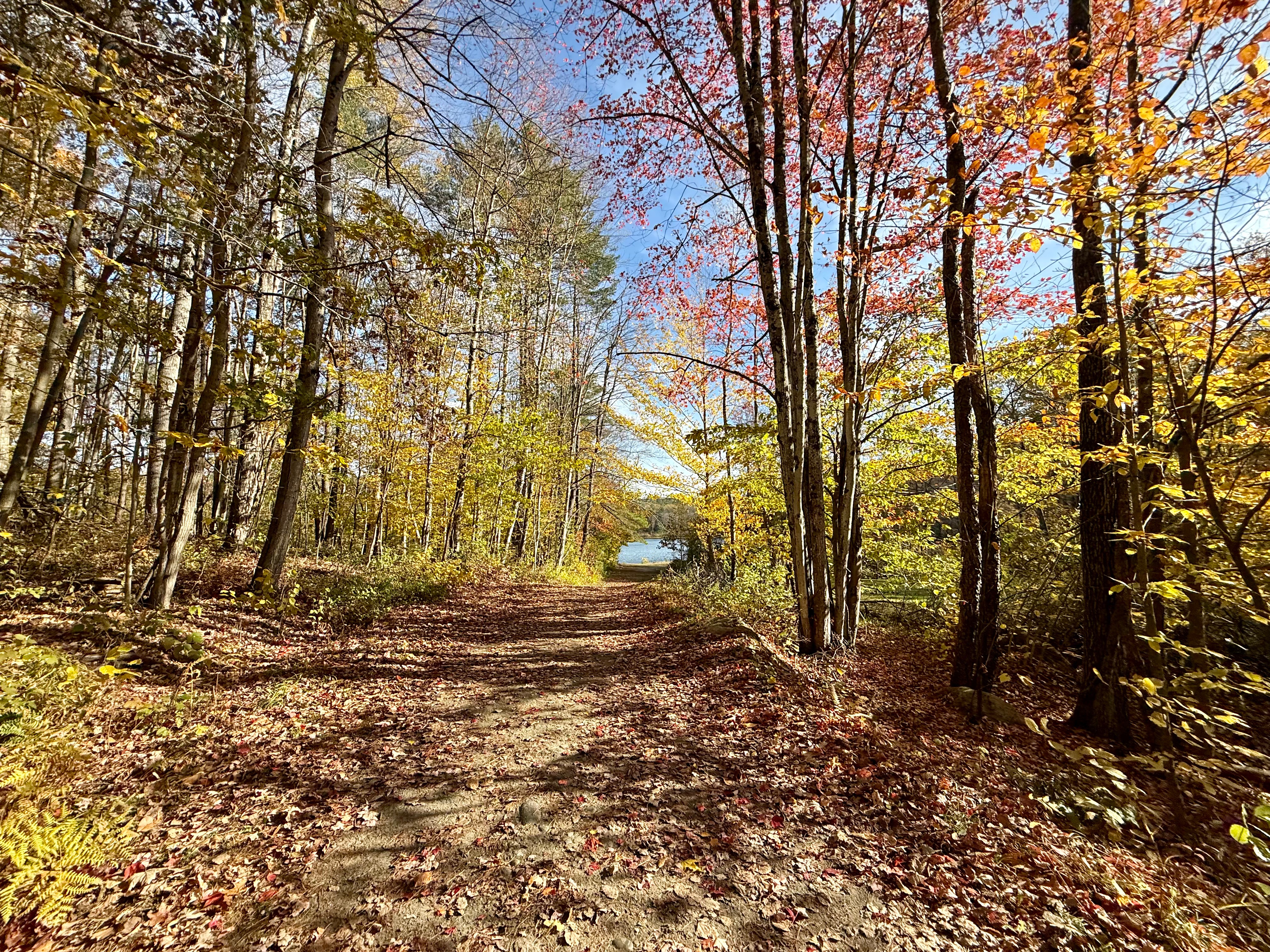
At other times, equanimity seemed to have a grounded quality – still like the mountains and able to move easily like the branches of the trees in the wind, even as they wore their changing colors that would soon fade. We went on a hike that weekend and I remembered Joseph Goldstein’s words in a recent talk: “Whatever has the nature to arise will also pass away…”. On that late afternoon, it was so clear that the leaves were falling. The current in the stream was moving. So were the clouds and for a moment, it appeared that the entire mountain was shimmering.

I was touched by the beauty of impermanence and the ability of awareness to hold it without turning away. My daughter was with me and I was struck too by the fact that she too was born and therefore of the nature to change, transform and eventually move away. It made this moment that much more poignant and precious!

At other moments, equanimity appeared empty – arising when the conditions were right. Not mine, not something I could force, but more of an invitation to drop into, that was becoming more available, as I was becoming more available to equanimity. This too felt right – equanimity was of the nature to arise and there pass away. It made non-clinging more possible in the present moment. How can we hold on to something that is empty of inherent existence?

And then the times when equanimity seemed so full of kindness; a caring that was steady and could open without turning away or shutting down. Other times, equanimity was simply a space empty of any greed, hatred or ill-will. A deep settling into a place of non-contention that we call peace.

Wisdom tells me I am nothing. Love tells me I am everything. And between the two, my life flows…

-Nisargadatta Maharaj

We can appreciate this equanimous mind when it is present and that in itself conditions future such moments of equanimity to arise. In this way, we are sowing the seeds of mindfulness and kindness and when the conditions are right, these can bloom into the beautiful flowers of compassion, wisdom and equanimity.

So many flavors of equanimity…As you pause and reflect on your own experience with equanimity, what comes up for you? I would love to hear from you.

May your mindfulness continue to grow and may you experience many moments of equanimity and joy!

With care, Shuba

Exploring Stillness: Why We Meditate…

I have recently returned from a three week trip to India to visit with family and friends. In one of my meetings with an old friend, my friend told me that he was curious about meditation and why it worked… Paraphrasing his question, what I heard was: Why do we meditate? How does a simple act of sitting in silence lead to such transformation? Why does stillness lead to insight?

It is hard to describe meditation to a non-meditator, but I will give it a try. We all have ways in which we experience stillness – a quieting of the mind’s chatter and a settling into a deeper sense of peace. Perhaps for some of us, it is being in nature, going for a walk or those moments when we encounter something larger than our-selves and we are in awe.

In meditation, we train to connect with this stillness, this sense of deeper peace and well being in an ongoing way. A simple act of sitting (walking, lying down or standing: the four postures mentioned by the Buddha, for sustaining mindfulness) is really an invitation: inviting the mind to settle. As the mind settles, it is like mud settling in a pond, leaving clear water – one in which you can see all the way through. And we start to see our habitual patterns, the ways in which we operate in the world, and the stories and perceptions that shape our reality. And we start to see these gaps in the reality we have constructed for ourselves through the stories. The stories, the thoughts, the perceptions start to feel less solid, less personal and less enticing.

And as the mind’s grip on these loosen, something so incredible starts to happen: we start to drop our stories and start to show up for our experience without all the expectations and ideas that are habitual. The comparing, judging and fixing aspects of the mind quiet down and the wisdom of the heart starts to emerge…

And the heart has this amazing, innate capacity to be awake, present, compassionate, steady… the heart can step out of the habits of the mind and the heart can be with discomfort and pain without turning away. As our meditation practice grows, our trust in this capacity of the heart to respond with wisdom increases.

At some point, we hit some snags mostly created by the mind: ideas of what meditation should look like, what peace should feel like and some wanting to control our reality by getting rid of what is difficult. This is where wise spiritual friends and a teacher can be so helpful: to remind us that like everything else, these ideas too are to be released. To remind us to lean into what brings us suffering, and to explore what it is like to let go and experience freedom. This further deepens our practice and this awareness, inseparable from love, ebbs into all parts of our lives so that increasingly our life itself becomes a meditation on attuning to emergence…

That is why I sit in meditation every morning… and I can’t help but think of Mary Oliver’s words…

Meditation is old and honorable, so why should I
not sit, every morning of my life, on the hillside,
looking into the shining world? Because, properly
attended to, delight, as well as havoc, is suggestion.
Can one be passionate about the just, the
ideal, the sublime, and the holy, and yet commit
to no labor in its cause? I don’t think so.

All summations have a beginning, all effect has a
story, all kindness begins with the sown seed.
Thought buds toward radiance. The gospel of
light is the crossroads of — indolence, or action.

Be ignited, or be gone.

-Mary Oliver, What I have learned so far

May we sow seeds of kindness and may we tend to the wisdom of our hearts…

With love, Shuba

Coming home: a practice for the new year…

Photo by Sindre Fs on Pexels.com

In the buddhist circles, often at the beginning of a retreat or meditation, a new year or new cycle, we chant the three refuges. With the three refuges, we take refuge in the Buddha, the Dhamma and the Sangha. Taking refuge in the Buddha is about coming home to the the awakened one within ourselves. Refuge in the Dhamma is about coming home to the deepest truths of the way things are. And refuge in the Sangha is about coming home to the community that sustains us, nourishes us and supports us in moving towards freedom. Most days, in my evening prayer, after lighting the candle, I use the three refuges to help ground me and remind me of why I practice and what is important and how to show up for my life.

I’m struck by this practice of coming home, especially at the turn of this new year. This practice of coming home is essentially what mindfulness is: coming home over and over again to the here and the now. For, this present moment is where the possibility of freedom is, the transformative power of love is. In a new translation of Rumi given to me by a dear friend, the first verse in the first poem in the book (Gold, translated by Haleh Liza Gafori), says:

“Let Love

the water of life,

flow through our veins”

-Rumi

In coming home, we return to this source, this love, this awareness which includes everything. The difficult and sublime thoughts, the aches and pains, the heartbreak, irritations, anger, sadness, grief as well as the joy, peace, ease, delight and enjoyment. And everything in between. This space has tremendous tenderness, aliveness, wisdom, intuition and grace. When we start to sense into this mystery – that nothing is separate from this flow of life, of love, of light, there is only one way to live: with compassion and kindness. To appreciate the gifts of each day. To allow ourselves to drop our armoring and be touched by life, by beauty and by gratitude.

May this new year allow you to come home and find many moments of peace and joy!

With love, S.

Awakening Beauty, Peace, and Freedom in Ordinary Moments | Mindfulness Practice

Photo by Fabien Burgue on Pexels.com

So much of our life is filled with ordinary moments. Like waking up. Brushing our teeth. Having breakfast. Going for work. Grocery shopping. Walking in the neighborhood. Talking to friends. Reading a book. Do these ordinary moments have the potential to wake us up to beauty, peace and freedom? This inquiry has guided most of my life and practice these past few years.

In my experience, mindfulness is very much flavored by kindness and caring. We pay attention because we care and vice versa. The Buddha talks about metta (loosely translated as friendliness or kindness) as an abiding/quality/recollection that:

“Whether standing or walking, seated or lying down
Free from drowsiness,
One should sustain this recollection.
This is said to be the sublime abiding”.

-Buddha (in Karaniya Metta Sutta)

So this practice of mindfulness/insight meditation/clear seeing is very much about being present and wakeful in every part of our day. And especially in noticing the every day moments of ease, joy and wonder and turning towards what is wholesome.

In Buddhism, it’s considered appropriate and helpful to cultivate and enhance our well-being. It is all too easy to overlook the well-being that is easily available in daily life. Even taking time to enjoy one’s tea or the sunset can be a training in letting in well-being.

-Gil Fronsdal, Tricycle, 2022

The urgency in my own practice has arisen from wanting to be present for as much as possible of my daughter’s childhood. First when she was an infant, then a toddler, a preschooler, and now – a teen. She inspires me to practice every day. Talking about mindfulness isn’t the same as practice! It becomes very clear when I am with her. Am I walking the walk? Am I present when she shares her worries and fears? When she shares her joys and excitement? What is the quality of attention? Is there kindness? And am I present for the ordinary moments – of walking alongside her and getting a glimpse of the world through her eyes.

It turns out it doesn’t matter why we practice – because slowly our brains start to rewire. The urgency I felt to be awake in her presence spread to others. My time with my beloved too was precious. So was my time with my students, with my parents, my friends, my colleagues and those around me. How I showed up for others mattered. How I showed up for myself mattered.

And that is the magic of mindfulness – these new neuronal pathways that are created simply by paying attention – they make it possible for us to wake up and see clearly the truth of the way things are. Life is impermanent. There is joy. Peace is possible. On this day, in this moment, right here, right now. We just need to show up for it!

With love, S.

The presence of connection…

I read this quote recently from Gabor Mate:

“Safety is not the absence of threat but the presence of connection.”

-Gabor Mate

I was spending a week at Exeter, NH at a math camp for educators, and it was a week of immersion – in fun math problems, collaboration, connection and learning. And as I was navigating this week, my practice was becoming aware of the absence of ill-will, unease, discomfort and stress. One of the reasons for attuning to this was that sleep had been strangely elusive in the dorm rooms and after a couple of days of this, I was starting to feel very tired. Noticing the absence of stress and tension was a way of staying present and realizing that even if I was tired, there need not be judgment or tightness around it.

Sometimes at these events, the tiredness and social interactions can manifest in me as reactivity towards personalities or ideas. Somehow this week however, there was complete absence of this reactivity perhaps due to conditions both internal and external. Externally, I was in classes with some exceptionally kind educators – thoughtful and generous. Internally, I was able to bring a steadiness and care towards my work. And solving problems and learning with others were both feeling so good for my brain that it didn’t seem to matter that I was tired!

So mid-week, when I read this quote from Gabor Mate, I realized (for the nth time!) that awareness of the absence of dis-ease is the space that opens to the presence of ease. The absence of ill-will lends itself to the unfolding of good-will or metta (loving-kindness). The absence of stress and disconnection allows for the presence of connection. And friendship flowers in the presence of connection.

Earlier this year, I had made a small laminated card of the seven awakening factors for my mindfulness sangha, with the key words offered by buddhist teacher Gil Fronsdal. So, as I sat each morning, I practiced with the seven awakening factors on my card- noticing what was present and what was absent – with curiosity and care – rather than one more thing to beat myself about. I noticed that even when energy was absent, there was kindness. And at times, curiosity was present even if tranquility was not. And one afternoon, walking across the green to one of the sessions, I realized that equanimity was mostly always present! I was able to connect with others easily, let go of any judging and comparing that arose, and I was able to forgive myself and move away from the self-judgment that sometimes seems so ready at hand when tired. And the practice of listening deeply with an open mind and heart was helping me lean into the gift of connection.

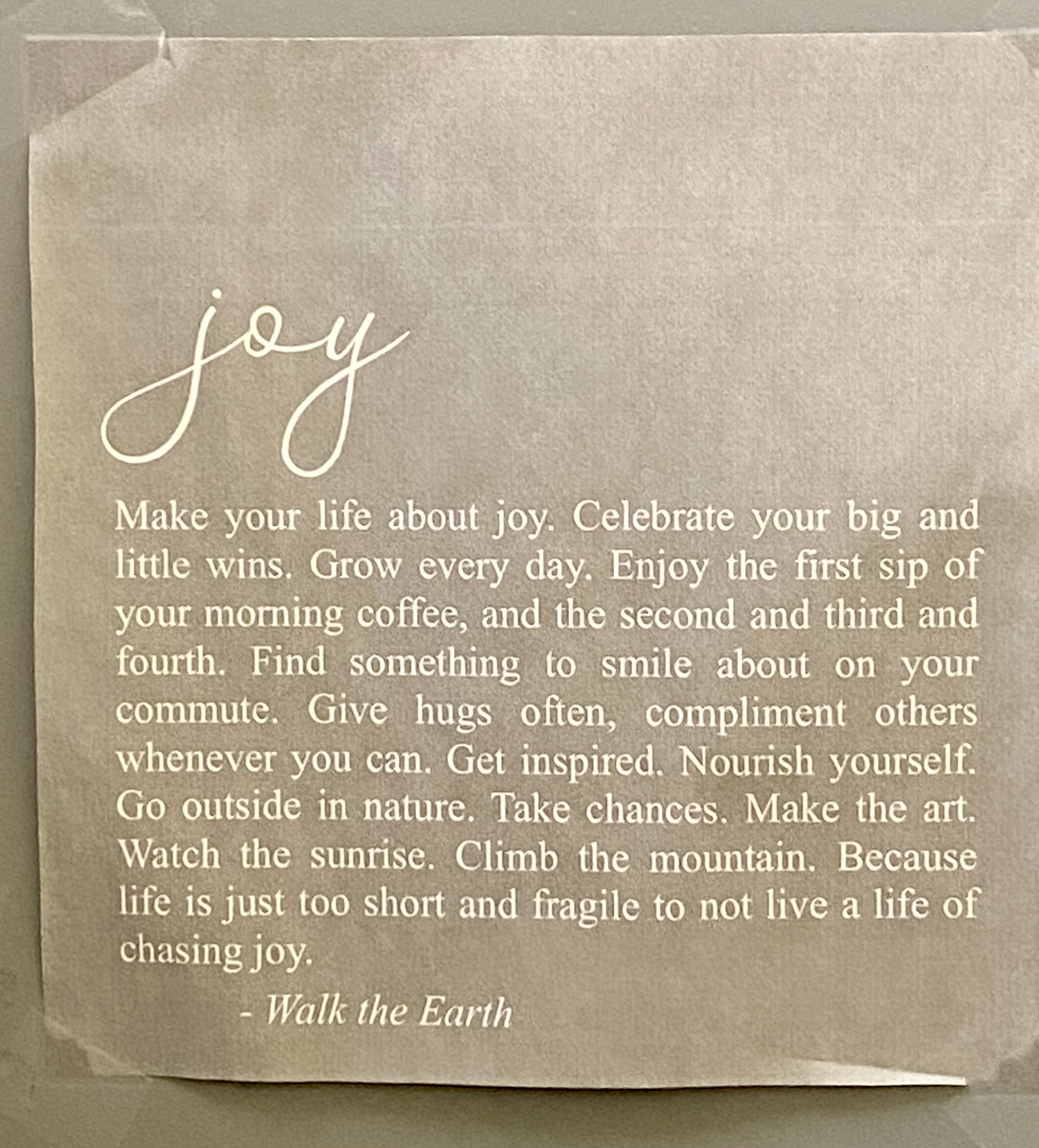
So….I am now back at home and enjoyed a good night’s sleep – the first one since Sunday! And I leave you today with this poem I found taped in one of the bathrooms at Phillips Exeter – it inspired me and I hope you find it helpful as well!

With love, Shuba

Finding refuge in kindness and community

Photo by Marek Okon on Unsplash

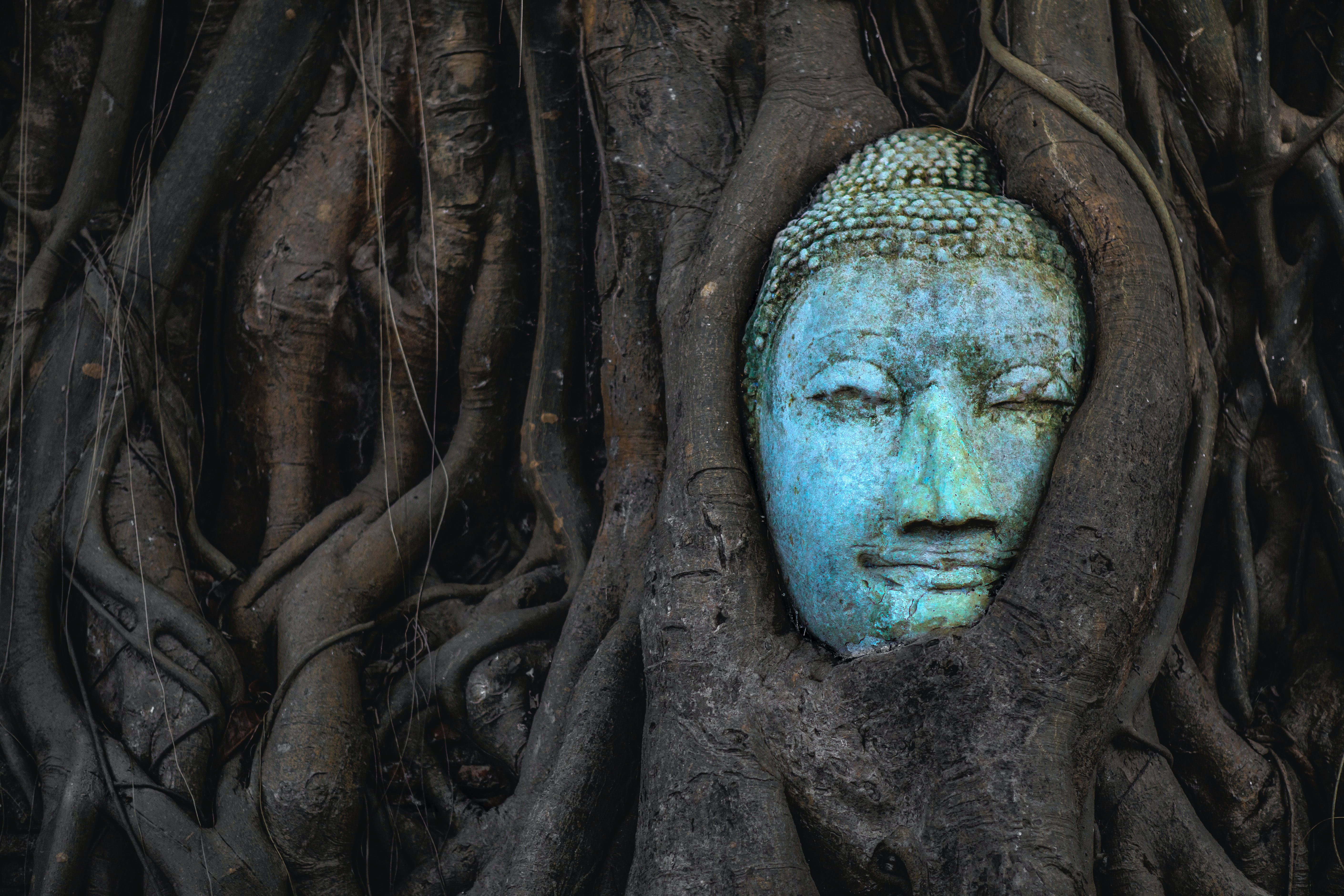
I love this image of the Buddha supported by the tree branches – and resting.

Yesterday, Saturday, December 10th, 2022, thirty of us gathered – some in person and most online for a retreat I co-taught with my teacher Doreen Schweizer, my first time attending a retreat in the role of a teacher. Doreen Schweizer has been my primary dharma anchor and teacher – and someone who has inspired me to become a teacher myself. When Doreen reached out to me a couple of months ago asking me if I would co-teach the December retreat – an annual offering in the Valley Insight community, one which I have myself attended several times – I was thrilled! Over the last couple of months, we met a few times – to talk through the process – everything from the title and the intention to the structure of the days which involved an optional pre-retreat gathering on Friday evening and a day-long on Saturday. Through the meetings and along with many emails, there was joy – our spiritual friendship deepened and I have learned so much working alongside a veteran and wise teacher whom I trusted in completely and felt a deep metta connection with. 

Finally the retreat evening dawned, though not without some personal hurdles. Over the past week, my body developed an allergic reaction of some sort, breaking out into hives. It started on Tuesday night – and progressively worsened during the week. Hives are not new to my body – they are a familiar visitor but do not visit not often enough for me to have coping strategies lined up. After racking my brain this week, I realized this was probably a reaction to the covid booster shot I took a couple of weeks ago. Exhausted on Friday morning, I finally called my Doc and managed to get an appointment in – and get some medication to soothe. 

Part of what also unfolded was the resurfacing of my own doubts – will I be able to make this retreat? Will I be able to hold the container for others? Most of all, the thought – did I jinx this with my own excitement and joy? I’m sure this is something many of us can relate with. 

The journey from fear to love is sometimes a single step. A single thought. If this was meant to be, it will be. All I can do is show up. At night, laying in bed, I allowed mindfulness to take over. Itchiness. Heat. discomfort. Sensations. Compassion. Passing away. Arising again. My husband’s gentle hands soothing the itchiness in my back. receiving care from him. My daughter’s concern. This was the practice. This was my practice for the retreat! 

The medication received from my doctor on Friday evening worked wonders. I had almost no symptoms on the retreat day. Wow! Sweet gratefulness. I could be present, attentive and kind. My practice deepened in teaching this retreat with Doreen and holding the space for the participants, many of whom are my dear spiritual friends, and who brought their commitment, presence, resolve and kindness. 

Most of all, there was gratitude. Support from so many to make this retreat possible. Opening of hearts to being touched by boundless friendliness and peace.

It’s another beginning, my friend, this waking in a morning with no haze, and help coming without your asking! A glass submerged is turning inside the wine. With grief washed away, sweet gratefulness arrives.

Rumi (translated by Coleman Barks, in the collection ‘The glance’

Abiding in loving-kindness…

Abiding in loving-kindness or metta has this slow flowering quality of opening our hearts. It doesn’t ask for us to be perfect, but simply that we are willing to aspire and practice to be unconditionally loved and loving.

As many of you know, I am drawn deeply by the ecstasy, joy, truth, contradiction and union in Rumi’s poetry. I love reading Coleman Barks’ introduction in his many books of Rumi poetry, about the story of how Rumi and Shams met and how their friendship began, outside of time. When Shams disappeared, Rumi journeyed and looked for him everywhere, until one moment, one day, he realized that Shams was within him. And out of that union came so many of his songs and poems celebrated throughout the world. As Rumi says, “when living itself becomes the Friend, lovers disappear.”

When I attended my first metta retreat with Michele Mcdonald back in 2008, it was my first taste of this unconditional love and friendship. In metta, we concentrate on phrases/wishes of well-being for our benefactor; not with the aim of controlling their happiness or well-being, but to gently ease into and abide into our own heart’s capacity to love and wish others well, independent of their accomplishments or qualities. We start with the benefactor, because this is our ‘easy’ person, the person for whom wishing well comes easily to us. As we practice, our hearts expand in friendship and good will and then it becomes easier to extend those wishes to ourselves, neutral and more difficult people, in that order. Ultimately, our aspiration is to wish all beings on earth this same unconditional good will and friendship, as we would wish for our dearest ones.

Being a parent offers a beautiful doorway to practice this metta journey. When I sit in meditation and begin with metta for my daughter, Anjali, it is easy to wish her well. Her sweet face fills my consciousness and brings me immense joy. Not because of her accomplishments or certain qualities she possesses, but simply because of who she is. A radiant being of light and joy, for whom my wishes of friendship, health, safety and love flow easily and naturally. When I abide in the love I feel for her, and slowly turn it like a mirror towards myself, this magical alchemy occurs. I too am worthy of the same love that I extend to my child. Sometimes I find myself wondering who is the mother and who is the child.

Moon and clouds are the same. Mountain and valley are different. All are blessed; all are blessed. Is this one? Is this two?” – Wu-Men.

This abiding in unconditional love and friendship is the state from which we can then act in the world. Can we extend that same unconditional love to difficult people in our lives? This is certainly more challenging but as we keep coming back to the practice, our heart slowly opens and learns to relate in a new way to others. Extending this good will does not mean we condone others’ unskillful actions. But it allows us to respond from a place of wisdom and grace, simply because we acknowledge that we are all human, imperfect and worthy of love, friendship and respect.

I cannot say that I can love all human beings the way I love my daughter. If I did, I would be an enlightened being. Instead, I am very much imperfect, impatient with myself, insecure at times, trying too hard, demanding at times. But in loving her, I am discovering a far greater capacity for love and healing than I ever thought possible. Always remembering patience and diligence. And that, as Daniel Mead puts it beautifully in his poem, “A flower cannot be opened with a hammer.

May all beings abide in this friendship and metta,

With love, S.

ps: Please note that all Rumi references in this post are translations by Coleman Barks. If you would like a recommendation of his poetry, my favorite is his book ‘The Glance’.