Exploring Stillness: Why We Meditate…

I have recently returned from a three week trip to India to visit with family and friends. In one of my meetings with an old friend, my friend told me that he was curious about meditation and why it worked… Paraphrasing his question, what I heard was: Why do we meditate? How does a simple act of sitting in silence lead to such transformation? Why does stillness lead to insight?

It is hard to describe meditation to a non-meditator, but I will give it a try. We all have ways in which we experience stillness – a quieting of the mind’s chatter and a settling into a deeper sense of peace. Perhaps for some of us, it is being in nature, going for a walk or those moments when we encounter something larger than our-selves and we are in awe.

In meditation, we train to connect with this stillness, this sense of deeper peace and well being in an ongoing way. A simple act of sitting (walking, lying down or standing: the four postures mentioned by the Buddha, for sustaining mindfulness) is really an invitation: inviting the mind to settle. As the mind settles, it is like mud settling in a pond, leaving clear water – one in which you can see all the way through. And we start to see our habitual patterns, the ways in which we operate in the world, and the stories and perceptions that shape our reality. And we start to see these gaps in the reality we have constructed for ourselves through the stories. The stories, the thoughts, the perceptions start to feel less solid, less personal and less enticing.

And as the mind’s grip on these loosen, something so incredible starts to happen: we start to drop our stories and start to show up for our experience without all the expectations and ideas that are habitual. The comparing, judging and fixing aspects of the mind quiet down and the wisdom of the heart starts to emerge…

And the heart has this amazing, innate capacity to be awake, present, compassionate, steady… the heart can step out of the habits of the mind and the heart can be with discomfort and pain without turning away. As our meditation practice grows, our trust in this capacity of the heart to respond with wisdom increases.

At some point, we hit some snags mostly created by the mind: ideas of what meditation should look like, what peace should feel like and some wanting to control our reality by getting rid of what is difficult. This is where wise spiritual friends and a teacher can be so helpful: to remind us that like everything else, these ideas too are to be released. To remind us to lean into what brings us suffering, and to explore what it is like to let go and experience freedom. This further deepens our practice and this awareness, inseparable from love, ebbs into all parts of our lives so that increasingly our life itself becomes a meditation on attuning to emergence…

That is why I sit in meditation every morning… and I can’t help but think of Mary Oliver’s words…

Meditation is old and honorable, so why should I
not sit, every morning of my life, on the hillside,
looking into the shining world? Because, properly
attended to, delight, as well as havoc, is suggestion.
Can one be passionate about the just, the
ideal, the sublime, and the holy, and yet commit
to no labor in its cause? I don’t think so.

All summations have a beginning, all effect has a
story, all kindness begins with the sown seed.
Thought buds toward radiance. The gospel of
light is the crossroads of — indolence, or action.

Be ignited, or be gone.

-Mary Oliver, What I have learned so far

May we sow seeds of kindness and may we tend to the wisdom of our hearts…

With love, Shuba
Musings on the sidewalk poem…

I first came across this poem about a hole in the sidewalk, titled ‘Autobiography in five short chapters‘ by Portia Nelson, in Mark Nepo’s book Finding Inner Courage, a few years ago. It is a profound poem and somehow stuck in my head and I keep finding meaning from it in layers. Today’s blog is a commentary on this poem from my own experience…I have taken the liberty of splitting up the poem here. Thank you Portia for this gem!

AUTOBIOGRAPHY IN FIVE CHAPTERS
I
I walk down the street.
There is a deep hole in the sidewalk.
I fall in.
I am lost … I am hopeless.
It isn’t my fault.
It takes forever to find a way out.
II
I walk down the same street.
There is a deep hole in the sidewalk.
I pretend I don’t see it.
I fall in again.
I can’t believe I’m in the same place.
But it isn’t my fault.
It still takes a long time to get out.

Anyone on a spiritual journey knows that the first step to freedom is to stop blaming others and accept responsibility: The first couple of paragraphs speak to this journey of moving towards acceptance.

III
I walk down the same street.
There is a deep hole in the sidewalk.
I see it is there.
I still fall in … it’s a habit.
My eyes are open.
I know where I am.
It is my fault.
I get out immediately.

The third paragraph of course makes sense. Those of us who start paying attention to our habitual ways of being, know that we keep finding ourselves over and over in similar patterns. And as we move towards freedom, even if we make the same mistakes, it becomes easier to recover and know where we are. We learn to become intimate with our own suffering – which is what the Buddha points to in the first noble truth.

IV
I walk down the same street.
There is a deep hole in the sidewalk.
I walk around it.

And just as there is suffering, there is also the end of suffering! As we start to know our own habits, we are slowly able to walk around the holes – to see them coming and take appropriate (skillful) action.

V
I walk down another street.

Finally, this past month, I realized what the last paragraph is talking about: we become so acquainted with our patterns and disenchanted with them, knowing where they will lead, that we realize there is a different way of doing things! We could walk down another street! We have the choice to not take the same street anymore. The new street may have other obstacles of course, but we are no longer stuck in our old patterns. We have the choice to try something new. This newness has a taste of equanimity, of wonder, of ease and of freedom!

How does this poem speak to you?

With love, Subha

Opening our hearts…

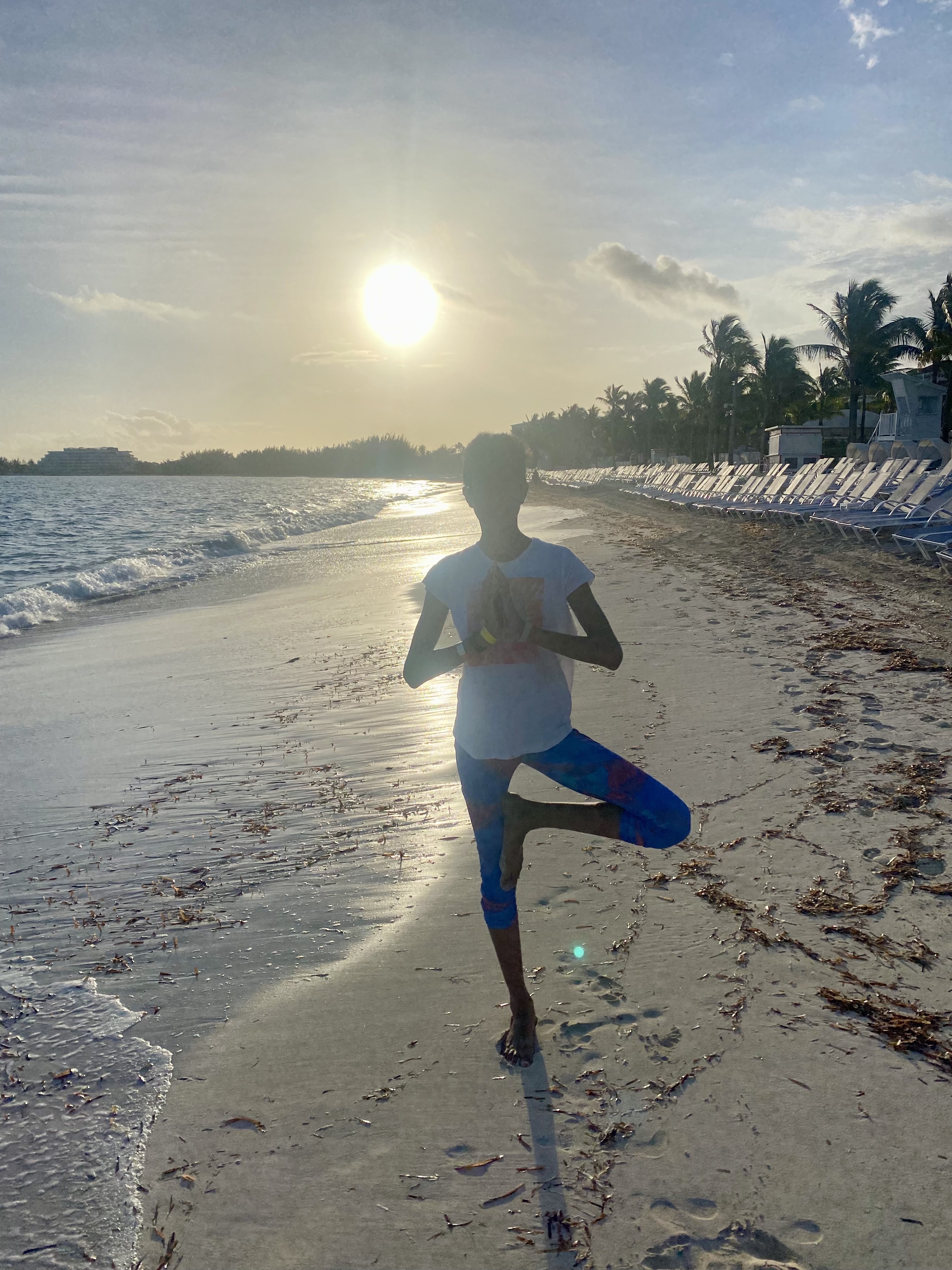
We spent a few days of our Christmas break at Nassau in the Bahamas, a real treat for our family. The ocean, the blue waters, the sand on my feet, and leisurely time with my family – all were healing to my nervous system. Returning from our break, and settling back into winter in New England, albeit a mild one so far, I’m so grateful we could have this time together – it feels like such a precious gift, one that is helping me center and open to this new year with fresh eyes.

My greatest dharma teacher, my daughter on the beach in Nassau, on Christmas Day.

In a tradition inspired by a fellow blogger, I have been setting an intention for each year with a word/phrase. Last year’s word was Savor; and savor I did! Savoring each moment of connection, the joys that came my way, the friendships, the adventures and travels, the learnings and growth. And it has filled my heart with so much gratitude and love! This year, my word for the year is Open: Opening to not-knowing, opening to the mystery and wonder, opening my heart to being touched and opening to the goodness.

So, today, I leave you with this offering from my heart – a poem – my New Year’s gift to you! May your new year be filled with many moments of peace, joy and awakening!

The little moments come by

and touch me like the sand particles

held in my palm – gingerly, tenderly.

Some stick while others fall away,

leaving the tiniest trace

like the footprints once washed away,

leave a well for the waters to fill in,

a tiny puddle that carries

the deep blue ocean

within.

– Subha srinivasan

With Love, S.

Attune to Emergence…

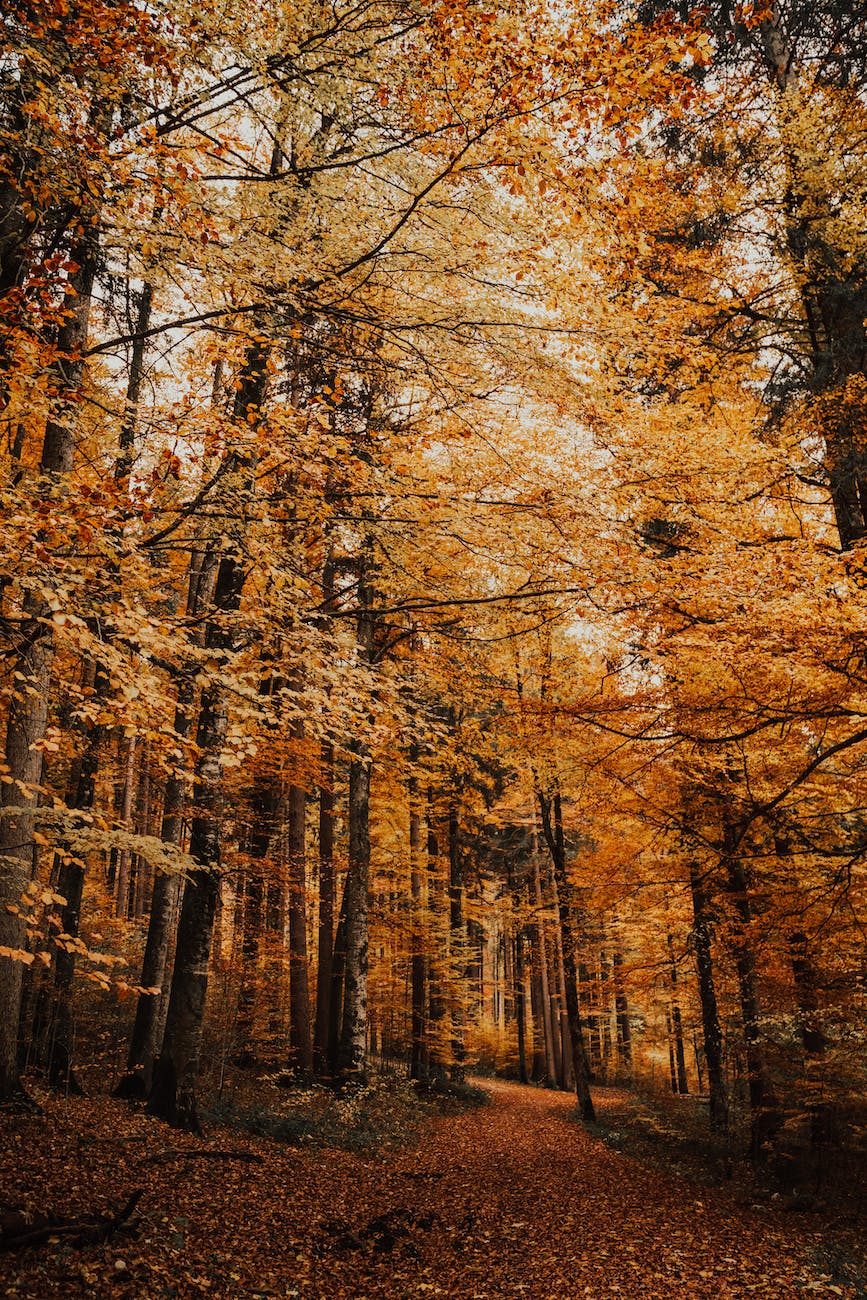
Photo by Alesia Kozik on Pexels.com

It has been a while since I wrote in this space. As a high school teacher, the first couple of months of the school year is a busy time for me – getting through the first quarter of school schedule. And somehow, now that November is here, I am able to breathe a bit more easily – knowing that Thanksgiving break is around the corner.

A lot has happened in these couple of months in terms of writing and teaching. Firstly, my reflections from retreat this summer was published in the Valley Insight newsletter, thanks to the support and encouragement of my teacher and friend Doreen Schweizer. And then, it was picked up by the Barre center of Buddhist Studies (BCBS) and published in their sangha newsletter with my permission. This came about because the BCBS director receives our very own Valley Insight newsletter! This was definitely a surprising event – both in how this unfolded and what a small and connected world we live in. You can find it here, reprinted exactly from ours.

Earlier this Fall, I felt some sadness – the momentum of my learning and teaching during my teacher certification program had slowed and I missed the intensity of the learning. I also welcomed this opening of flexibility in choosing what I listened to and practiced in terms of dharma and the time to delve into what interested me. It has been a lovely surprise for me to have this time open up in this new way. I have continued offering a monthly drop-in series which has been a gift for me in my own practice thanks to the generosity of yogis who have showed up for them. You can find my recordings under guided meditations tab. I have also co-taught a monthly three-part series on Insight dialogue which is my new passion!

Insight dialogue makes insight meditation inter-relational. Developed by Greg Kramer, this is a series of guidelines that combine mindfulness, concentration and insight/wisdom to bring to our lives, especially in relationships both with ourselves and others. The guidelines are Pause, Relax, Open, Attune to emergence, Listen Deeply and Speak the truth. The book by Greg Kramer is a wonderful manual to the practice – and practicing with others through the series and the summer retreat has deepened my own practice and joy. It has opened up a door to the mystery in each moment by attuning to: what is changing, how am I relating to this moment and how can I soften? It is also a practice, which when combined with contemplation of suttas (scriptures) from early buddhist texts, can lead to wonderful and insightful dialogue and great joy!

I find that each day, each week, a different guideline speaks to me. Right now, it is the mystery of not knowing, of attuning to emergence. Even when I plan what is coming, I don’t know what the moment will bring. How do I stay open to that? And this opening to surprises – and how I respond to them – is teaching me a lot about myself. I had the surprise of getting Covid recently. The surprise of receiving help and support and well wishes from others. The surprise of recovering well and feeling healthy again. The surprise of friendship – my own and that of others. The surprise of opening to not knowing!

As the world tilts on its axis in many ways that are challenging, how do we open truly to not knowing and to the possibility of freedom and love in this moment, no matter what? Perhaps, the answer can be found in one such contemplation Bhadra (Lucky):

Lucky to be walking a Path
that finds peace
in the arising
and passing
away
of
each
present
moment.

Regardless
of how things
work out
or don’t.

From “The First Free Women: Poems of the Early Buddhist Nuns”
Translated by Matty Weingast
Shambhala, 2020

So, as we head into Thanksgiving, may there be many gifts in your life of opening to wonder and joy!

With gratefulness, S.

The in-between spaces…

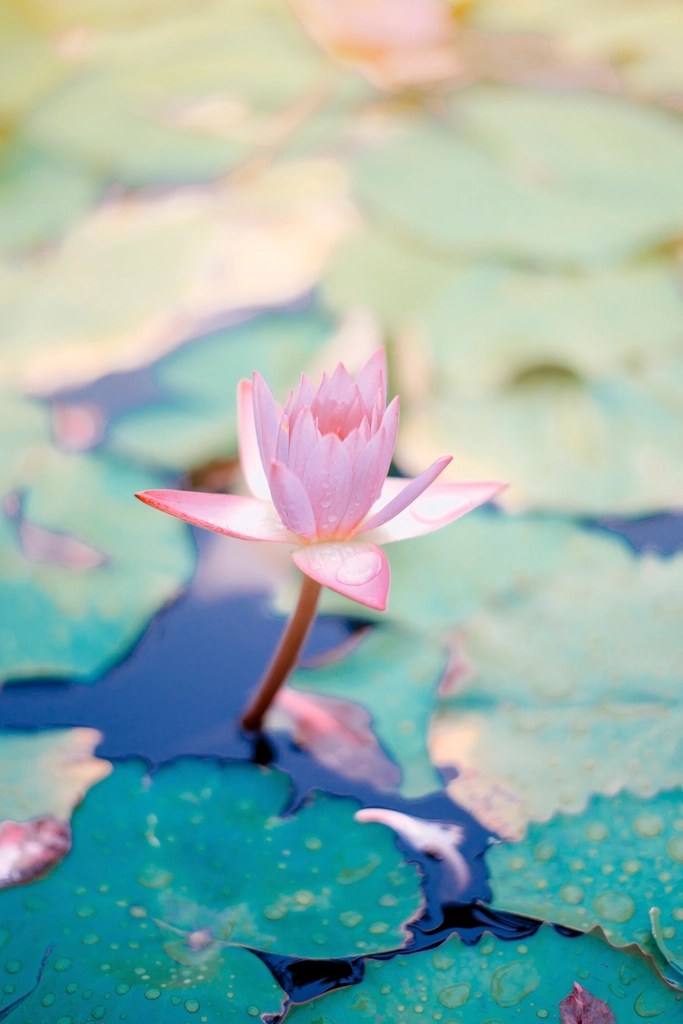
Photo by Ben Young on Pexels.com

I have just finished teaching my five-week course on the mindfulness trainings. Showing up for the sangha, the community of kindred spirits who were taking my class, as they showed up for me, was deeply rooting and grounding. Especially because it carried me through the month of March which always feels like a difficult (and long!) month for me. I felt nourished and grateful! I love teaching mindfulness – it helps me stay committed to my practice in an intentional way.

It has also been lovely this month of April to have a pause from teaching, to allow my practice to unfold more organically and take in the wisdom coming from many directions. Spending a few days in Washington, DC for spring break with my family was a welcome change. And as I return home, getting ready to go back to teaching next week (I am high school teacher), I feel energized and uplifted. And a sense of joy!

The joy is coming through from the constant stream of bird visitors we have had to our home – bright yellow goldfinches, pinkish red house finches, gray-black juncos, bright red cardinal, downy woodpecker, blue-gray nuthatch (I had to look this one up!) – it has been constant – and is bringing us much delight! I have been going out late evenings to hear the frogs and toads in the nearby swamp (thanks to a beaver family that transformed that eco-system!) and there has been such a raucous! One late afternoon last week, on my usual walk in the neighborhood, I caught sight of a beautifully gorgeous turkey vulture about 30 feet from me, taking flight and landing on a nearby tree. I saw the same (or different?) vulture at the exact same spot the next day while walking with my daughter – and we decided to name this special bird Majesty. Seeing Majesty made me literally stop in my tracks and stand in awe. That’s what nature does to us – opens us up to wonder and mystery.

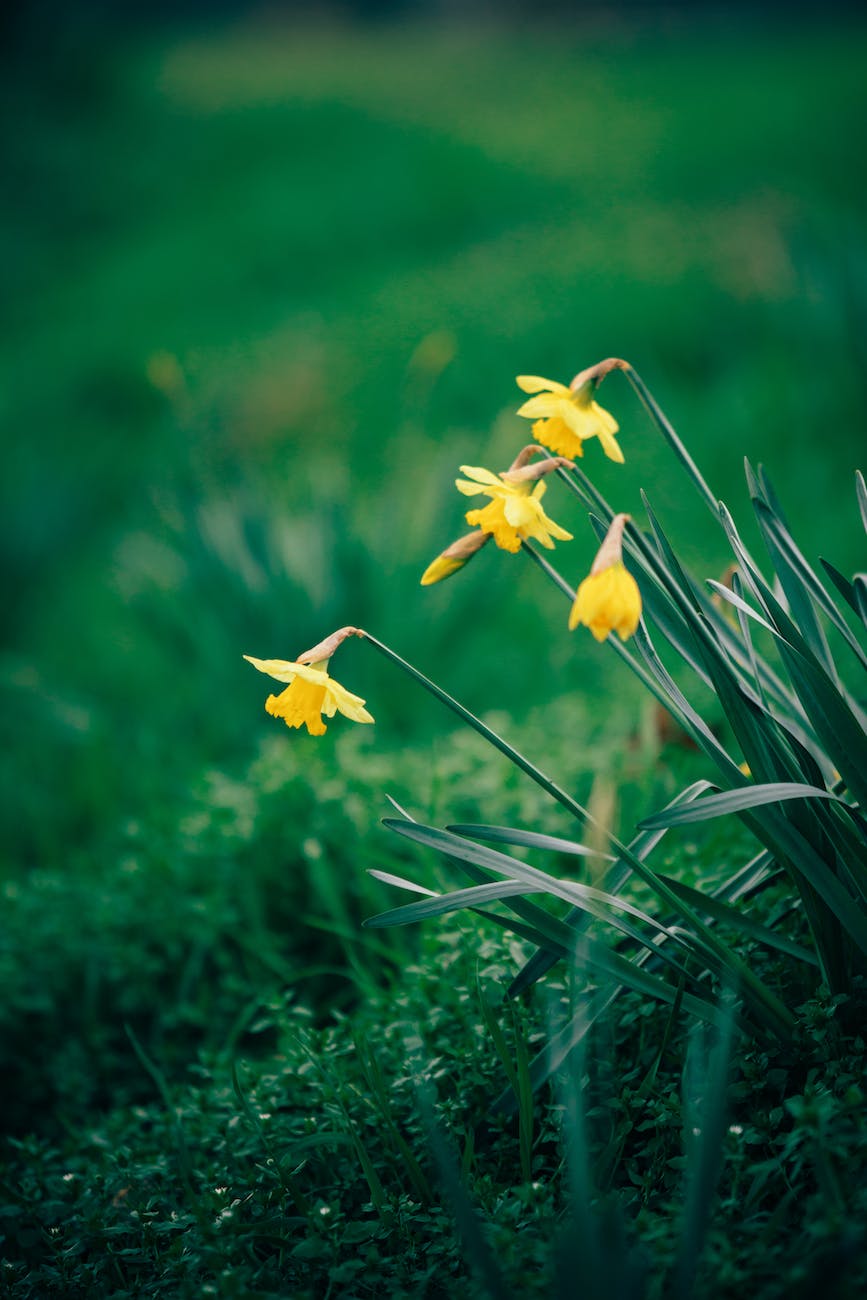
I am fortunate to live in a beautiful landscape and the coming of spring, much anticipated by us, seems to be here. And while holding the realities of climate change and the terrible tragedies around the world that are coming from our ignoring the signs – the certainty that something is wrong if we go from winter to summer in a week – I am also holding this. This deep joy and gratitude for the life that surrounds me, right now. This moment. The daffodils starting to bloom and the day-lilies pushing themselves out of the ground. And I am remembering Mary Oliver’s words from Straight talk by Fox.

I see you in all your seasons

  making love, arguing, talking about God

as if he were an idea instead of the grass,

  instead of the stars, the rabbit caught

in one good teeth-whacking hit and brought

  home to the den. What I am, and I know it, is

responsible, joyful, thankful. I would not

  give my life for a thousand of yours.

Mary oliver

Please do check back for my next offering, which will be an intro to mindfulness course for the BIPOC community here in the Upper Valley and elsewhere in the world – the nice part of offering it online is that the world is suddenly a smaller place! And BIPOC or not, you are welcome to listen to the recordings of my guided meditations from my recent course, posted under the Guided Meditations tab.

Be well, take care and may spring be in your every step!

Namaste,

Shuba

Abiding in loving-kindness…

Abiding in loving-kindness or metta has this slow flowering quality of opening our hearts. It doesn’t ask for us to be perfect, but simply that we are willing to aspire and practice to be unconditionally loved and loving.

As many of you know, I am drawn deeply by the ecstasy, joy, truth, contradiction and union in Rumi’s poetry. I love reading Coleman Barks’ introduction in his many books of Rumi poetry, about the story of how Rumi and Shams met and how their friendship began, outside of time. When Shams disappeared, Rumi journeyed and looked for him everywhere, until one moment, one day, he realized that Shams was within him. And out of that union came so many of his songs and poems celebrated throughout the world. As Rumi says, “when living itself becomes the Friend, lovers disappear.”

When I attended my first metta retreat with Michele Mcdonald back in 2008, it was my first taste of this unconditional love and friendship. In metta, we concentrate on phrases/wishes of well-being for our benefactor; not with the aim of controlling their happiness or well-being, but to gently ease into and abide into our own heart’s capacity to love and wish others well, independent of their accomplishments or qualities. We start with the benefactor, because this is our ‘easy’ person, the person for whom wishing well comes easily to us. As we practice, our hearts expand in friendship and good will and then it becomes easier to extend those wishes to ourselves, neutral and more difficult people, in that order. Ultimately, our aspiration is to wish all beings on earth this same unconditional good will and friendship, as we would wish for our dearest ones.

Being a parent offers a beautiful doorway to practice this metta journey. When I sit in meditation and begin with metta for my daughter, Anjali, it is easy to wish her well. Her sweet face fills my consciousness and brings me immense joy. Not because of her accomplishments or certain qualities she possesses, but simply because of who she is. A radiant being of light and joy, for whom my wishes of friendship, health, safety and love flow easily and naturally. When I abide in the love I feel for her, and slowly turn it like a mirror towards myself, this magical alchemy occurs. I too am worthy of the same love that I extend to my child. Sometimes I find myself wondering who is the mother and who is the child.

Moon and clouds are the same. Mountain and valley are different. All are blessed; all are blessed. Is this one? Is this two?” – Wu-Men.

This abiding in unconditional love and friendship is the state from which we can then act in the world. Can we extend that same unconditional love to difficult people in our lives? This is certainly more challenging but as we keep coming back to the practice, our heart slowly opens and learns to relate in a new way to others. Extending this good will does not mean we condone others’ unskillful actions. But it allows us to respond from a place of wisdom and grace, simply because we acknowledge that we are all human, imperfect and worthy of love, friendship and respect.

I cannot say that I can love all human beings the way I love my daughter. If I did, I would be an enlightened being. Instead, I am very much imperfect, impatient with myself, insecure at times, trying too hard, demanding at times. But in loving her, I am discovering a far greater capacity for love and healing than I ever thought possible. Always remembering patience and diligence. And that, as Daniel Mead puts it beautifully in his poem, “A flower cannot be opened with a hammer.

May all beings abide in this friendship and metta,

With love, S.

ps: Please note that all Rumi references in this post are translations by Coleman Barks. If you would like a recommendation of his poetry, my favorite is his book ‘The Glance’.

Full Moon, Fish and Bird…

For a while in my life, Rumi poetry was part of the fiber of my being. I read a lot of his poems, and some of my close friends know that I have made some significant life decisions inspired by Rumi. Then, for a while, I took a Rumi break. I think I needed it, to be able to let go of my experiences of the poems and see them anew. That is one of the reasons I am so happy and excited to be back in Rumi-sphere again. So much thanks to Coleman Barks and to Mary Oliver (who read Rumi until her last days…a beautiful essay of her life here).

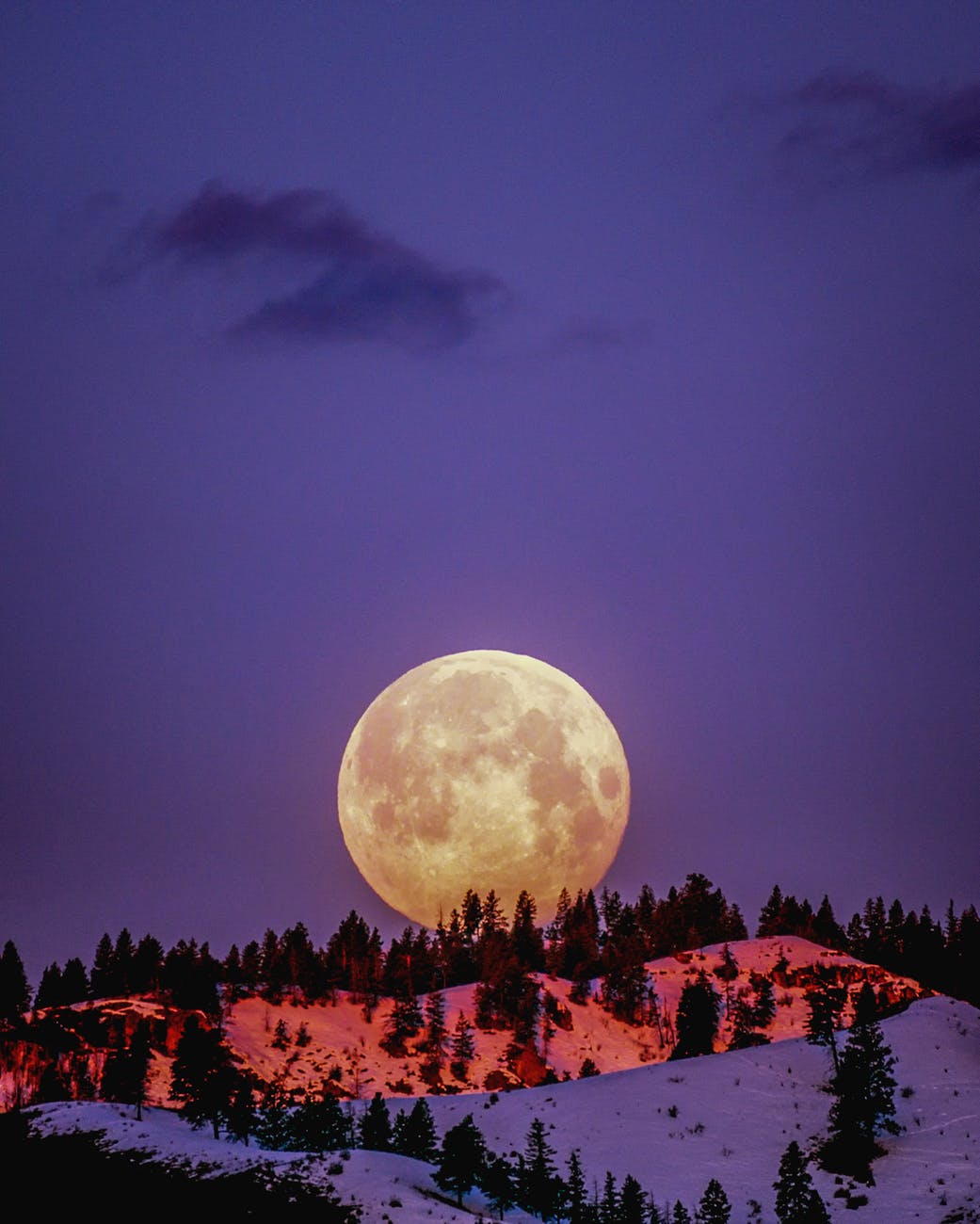
Today’s poem, from a year with Rumi, so apt for this full Moon, has this beautiful passage:

I am a fish. You are the moon.

You cannot touch me, but your light

fills the ocean where I live.

Rumi (translated by Coleman Barks)

I was inspired to write a verse in response to Rumi.

I am a fish. You are the moon.

Every one of your moon beams

has transformed me from within

so that I am a fish no more.

Instead I am a bird flying high

in the wide open sky

to be closer to you.

Shuba (with a bow to Rumi)
Photo by Frank Cone on Pexels.com

I am leaving you with this. I didn’t think Rumi would mind. What do you think?

Namaste, S.

first snow…

Words fall like snow flakes

Gently on the ground

They melt away in presence

Leaving a shining essence…


Heart moves with a smile

Reflections on the wall

Is it me? Or you?

Impressions fall…

Like drops on the ocean

Do they leave a trace?


Drops, ocean, words, heart

See clearly what is lost

And what is found again

In these eyes looking within.